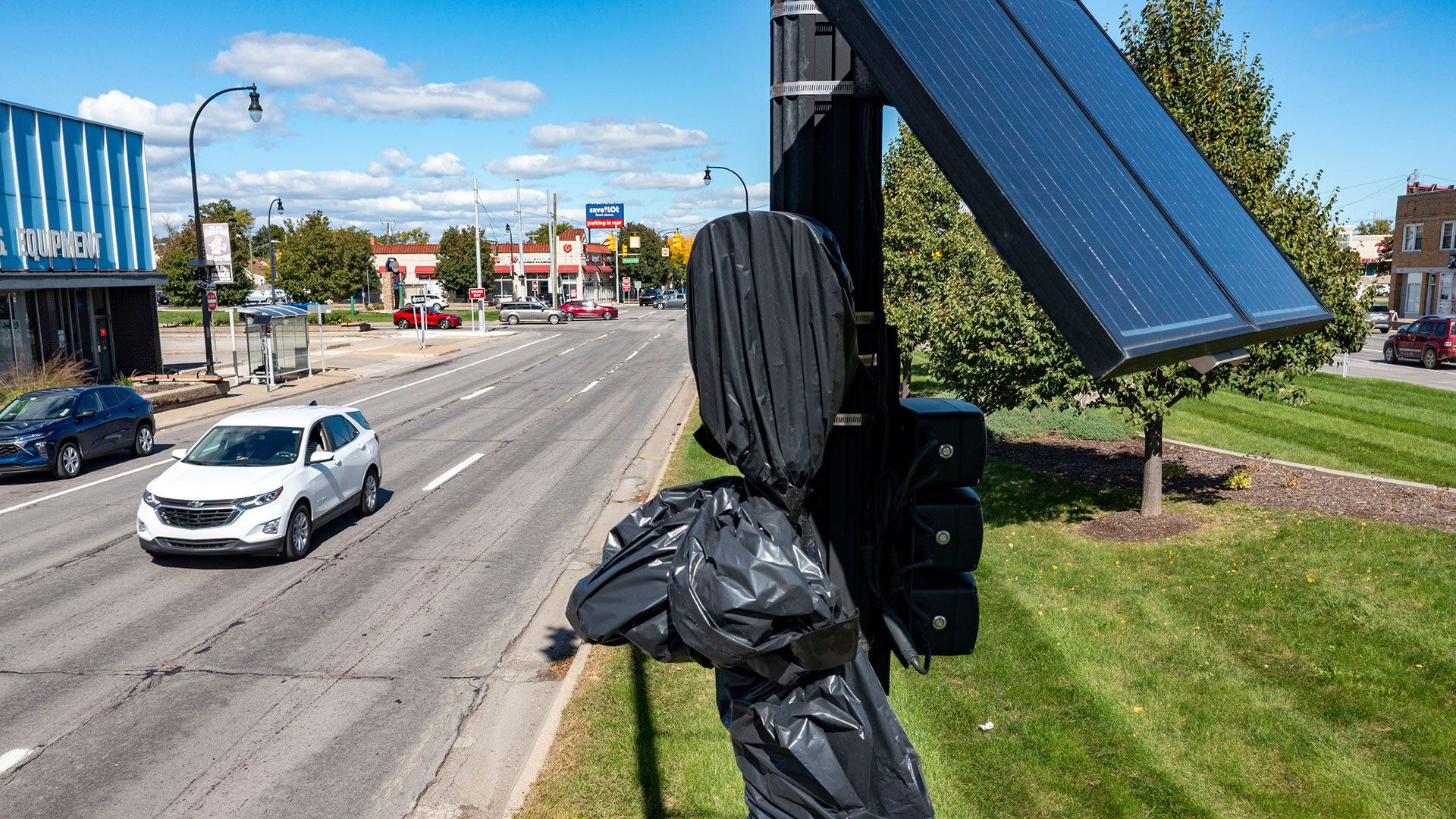
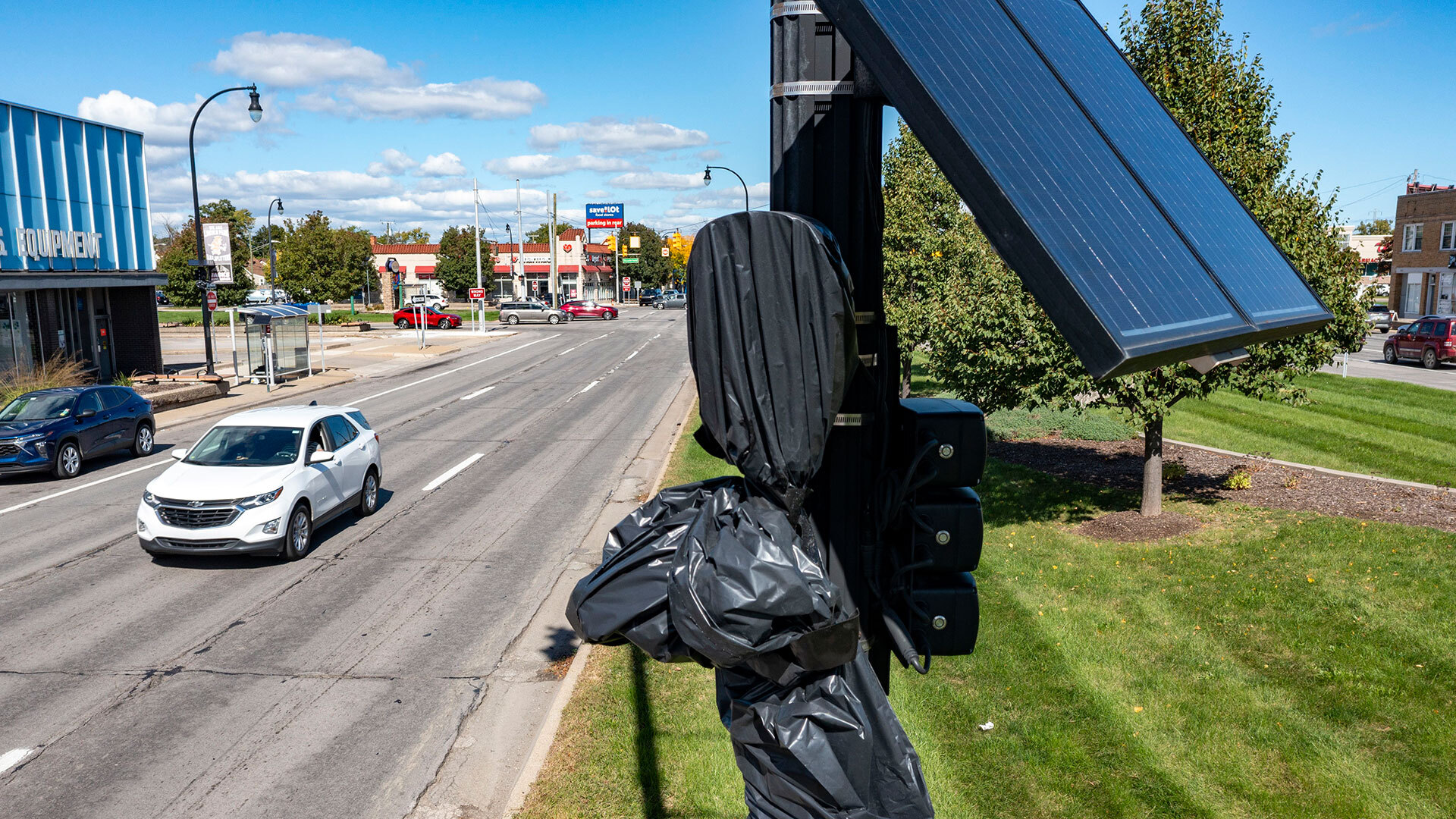
Plymouth City Council unanimously voted to end its Flock contract in September 2026, but the company failed to respond to demands to remove its cameras installed around the city. According to The Drive, the city informed Flock immediately about the cancelation, but it failed to respond even after a week. Because of this, Plymouth Police Chief Eric Fadden was forced to take matters into the city’s hands and physically disconnected the cameras’ power cords to ensure that they are non-functional.
“As you’re well aware, the City Council voted to discontinue the use of Flock ALPRs at the Sept. 22 meeting. On the morning of Sept. 23, we suspended all Plymouth user Flock accounts and notified Flock Safety of the Council’s decision. We followed up with a formal letter of cancellation via US Mail and email after consulting with our City Attorney’s Office. We did not hear any reply from Flock Safety Corporate or Legal, other than some communication with our local representative,” Fadden told The Drive. “After hearing nothing for more than a week, I directed our staff to disconnect the power cords from the cameras in order to be sure that they are not functioning or recording plates.”
Flock has been hit by multiple controversies in recent months, including the arrest of officers for misusing the system and the mistaken “ambush” of a car reviewer by Plymouth City Police in Minnesota over an administrative error made in California. There have even been reports that police have been pulling motorists over because an AI algorithm deemed their travel history as “suspicious.” Dayton, another city in Minnesota located just 10 miles north of Plymouth, has also paused its Flock program and disabled the two devices in the area. The Dayton police became aware that the company intended to replace these cameras and told Flock not to proceed with the work order. However, it moved forward with the replacement anyway despite being instructed otherwise.
There are over 300,000 Flock cameras installed nationwide, with the network's widespread coverage making it quite effective at tracking vehicles. Although its cameras are marketed as automated license plate readers (ALPRs), Flock’s system goes beyond reading plates and uses AI to identify vehicles using other markings like stickers, paint color, and the vehicle's make and model. Because of these various issues, critics have been asking their city councils to remove the cameras citing privacy concerns. While Flock remains silent on the issue of demands for the removal of its cameras, moves like this would reduce its coverage area while also costing labor, whereas just keeping them in place likely costs the company nothing.

Follow Tom's Hardware on Google News, or add us as a preferred source, to get our latest news, analysis, & reviews in your feeds.