
The Apple iPhone 18 Pro camera performance is evaluated across photo, zoom, and video use cases using DXOMARK’s objective measurements and perceptual analyses to assess imaging performance across common shooting conditions. This article provides a structured summary of DXOMARK’s lab measurements and perceptual analyses to describe the device’s imaging performance.
Overview
Key camera specifications:
- Primary: 48 MP, f/1.48 – f/4.0, 24 mm (wide), variable aperture, sensor-shift OIS, Focus Pixels
- Ultra-wide: 48 MP, f/2.2, 13 mm (ultrawide), 120° field of view
- Tele: 48 MP, f/2.8, 100 mm (telephoto), 8x optical zoom, tetraprism design, sensor-shift OIS
With a score of 172 points, the Apple iPhone 18 Pro delivers excellent overall camera performance, combining a wide dynamic range, improved contrast and skin tones, effective stabilization, and a well-balanced texture-noise trade-off. Its variable aperture is a particular strength, significantly improving the camera’s ability to maintain sharpness in complex scenes and when multiple subjects are present. Autofocus performance is good overall, offering a good user experience. Flare is also generally better controlled than on the previous generation, with a good reduction of diffuse flare in most situations, although green spots can still appear and flare remains quite visible when the iris is closed.



In photo, the camera produces generally accurate exposure and benefits from a wide dynamic range. Exposure can, however, be slightly low in some backlit portrait scenes, while contrast rendering in these situations remains particularly natural, providing a convincing balance between highlights and shadows. Texture rendering preserves a good level of fine detail with fewer visible AI artifacts than on some competing devices.

The main limitations are long-range telephoto performance, which falls slightly behind some competing flagship devices, and the lack of blur effect on portrait mode in night
Video performance is excellent overall, with smooth and natural stabilization even during running motion, as well as a good texture-noise compromise. Outdoor scenes benefit from the camera’s strong dynamic range, while low-light video shows improved color rendering, particularly for skin tones. White balance remains the main image-quality limitation, with visible color casts appearing in some conditions.
Scoring
Sub-scores and attributes included in the calculations of the global score.
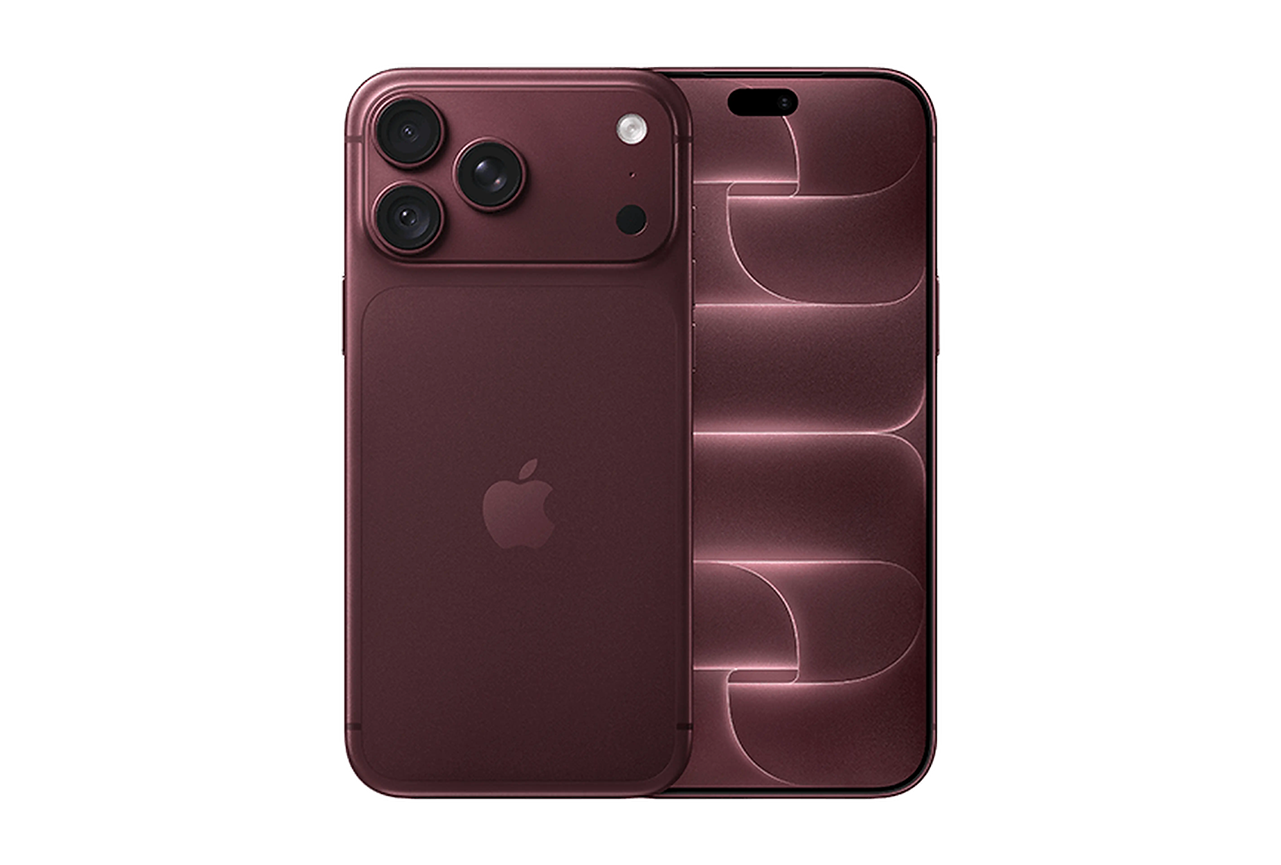
Apple iPhone 18 Pro


184
185
175
173
Use cases & Conditions
Use case scores indicate the product performance in specific situations. They are not included in the overall score calculations.
Portrait
Portrait photos of either one person or a group of people

%s
Outdoor
Photos & videos shot in bright light conditions (≥1000 lux)
Indoor
Photos & videos shot in good lighting conditions (≥100lux)
%s
Lowlight
Photos & videos shot in low lighting conditions (<100 lux)
Zoom
Photos and videos captured using zoom (more than 1x)
Pros
- Exposure is mostly accurate, and it is supported by a wide dynamic range, contrast is very natural even under challenging conditions
- Depth of field is automatically extended on group portraits thanks to variable aperture, which can be adjusted manually
- Stabilization is effective, even during running motion, with smooth and natural rendering enhanced by 60 fps capture
- Texture-noise trade-off is well balanced across most test conditions, combining high detail preservation with well-controlled noise
Cons
- Face exposure can be low in challenging backlit conditions
- Slight color casts and occasional white balance instabilities are noticeable
- Long-range telephoto performance is behind that of some flagship competitors
- Artifacts such as flare and aliasing are frequently visible
- A noticeable brightness difference between photo and video can be distracting in the preview
The Apple iPhone 18 Pro is one of the strongest-performing devices overall in low-light conditions, thanks to strong performance in both photo and video. Images are generally well exposed, with a wide dynamic range and pleasant color rendering. White balance has also been improved, maintaining the device’s characteristic warm signature while keeping it relatively natural in low-light scenes.
Texture rendering is another major strength at night. The camera preserves a high level of detail while maintaining a well-controlled texture-noise balance, with only moderate noise visible in textured areas as a result of preserving finer details. This allows low-light images to retain a good level of natural texture without relying excessively on artificial processing.
Low-light performance is therefore strong overall, with blur effect being one of the more noticeable limitations in demanding conditions. Fine details can also occasionally be lost in very low-light conditions, although the overall balance between detail and noise remains good. In video, low-light performance benefits from better colors and a slightly improved texture-noise balance, particularly for skin tones, although some white balance casts remain visible across conditions.



The Apple iPhone 18 Pro delivers a very good portrait experience, producing well-rendered images with improved contrast and natural-looking skin tones. Exposure can be slightly low in some backlit portraits, but the wide dynamic range helps preserve scene information. More importantly, contrast rendering in these challenging situations is particularly natural, providing a convincing balance between highlights and shadows. The combination of controlled contrast and pleasant color rendering allows portraits to retain a natural photographic appearance
Bokeh mode provides good subject isolation, with accurate segmentation and a natural blur gradient. Background blur and spotlights are rendered naturally, contributing to an attractive overall portrait effect. However, some of the latest Vivo and Oppo devices provide sharper facial details and finer subject isolation, giving them an advantage in the most demanding portrait scenes.
The main limitations are found in fine subject separation and detail rendering. Segmentation can occasionally lack precision at a fine level, while the bokeh effect may fail to trigger in some situations. In the telephoto mode around 2x, facial details can also appear somewhat softer than on the best-performing competitors, although the overall rendering remains pleasant.
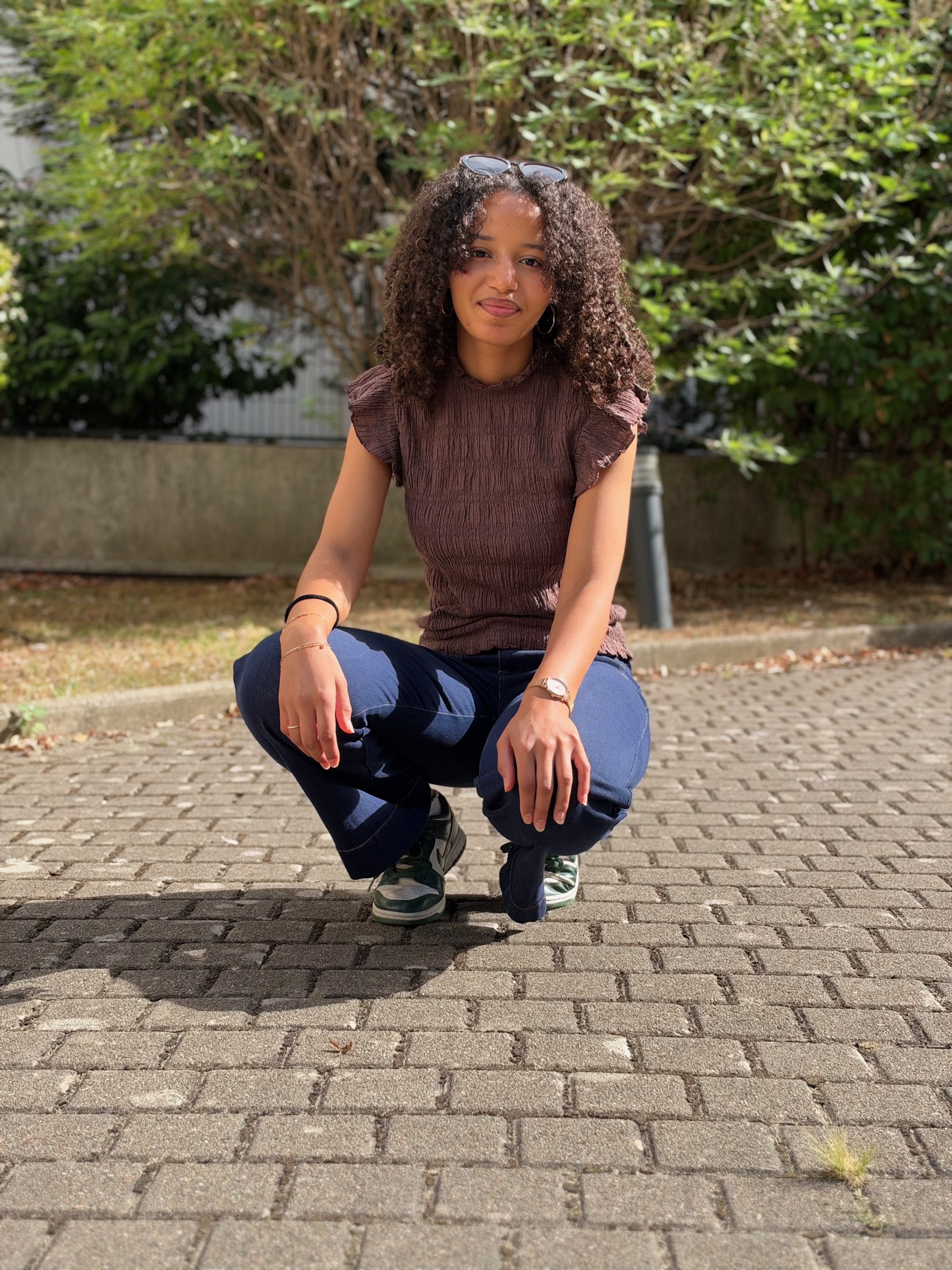



The Apple iPhone 18 Pro provides particularly strong zoom performance at close and medium distances, where image quality remains detailed and natural. Rendering is consistent at these ranges, with good preservation of fine textures and a balanced treatment of detail and noise.
Video zoom is a particular strength, with very smooth transitions between zoom levels. The camera provides excellent zoom smoothness in video, resulting in a natural and consistent experience when changing focal lengths during recording.
At longer distances, however, the camera does not maintain the same level of detail advantage seen at closer ranges. Long-range telephoto performance is slightly behind that of the strongest flagship competitors, with fine details becoming noticeably softer. This limits its ability to deliver the same level of detail when high-quality long-range zoom is required.